|
News from Kenya
|
Mobile teams
|
|
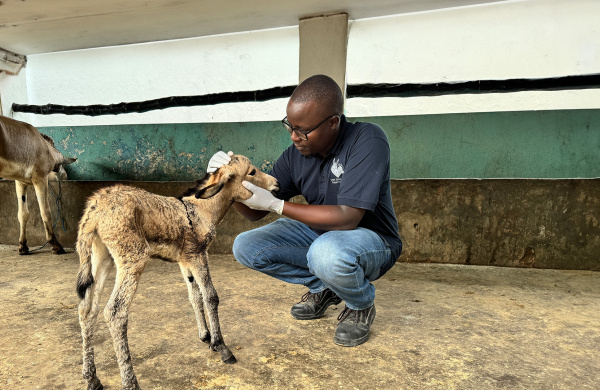
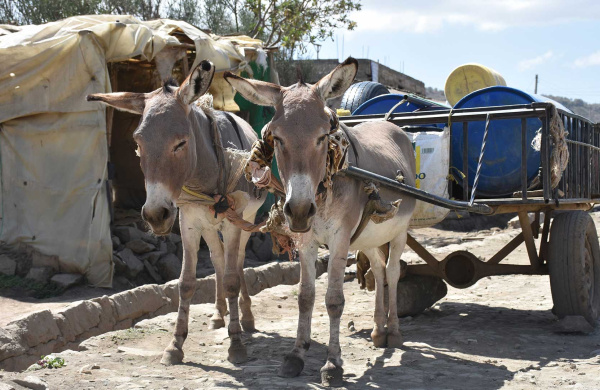
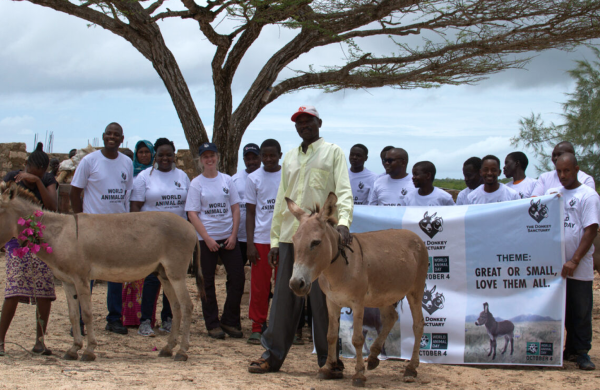
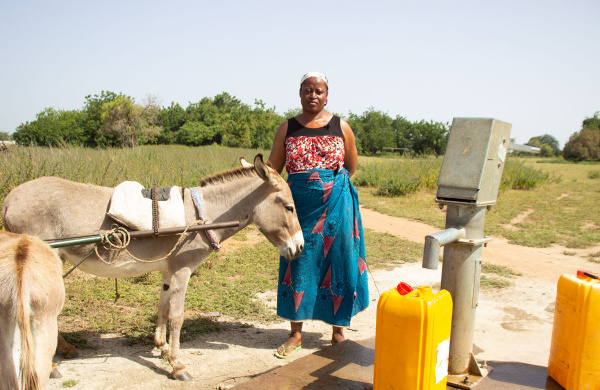
KenyaWe have been working in Kenya since 1994 in partnership with the Kenya Society for the Protection and Care of Animals (KSPCA) and the current population of donkeys is in the region of 600,000. Kenya is an agricultural country, which depends mostly on farming and keeping livestock. Donkeys provide a lifeline to families, carrying anything from building materials and firewood to maize, potatoes and water. The donkey and cart remains one of the few transportation systems that can cope with the terrain in Kenya as roads have deteriorated in recent years. Most donkeys pull carts in Kenya and pointless injuries are caused when donkeys are forced to pull the cart by the neck rather than the chest. Our teams not only treat and de-worm the donkey, but carry out repair work to the carts and harnessing and provide advice to the owners to help prevent problems in the future. Our teams also deal with emergency call outs and spend a great deal of time maintaining an educational programme on donkey care for children. We have a stationary clinic at the KSPCA's base in Nairobi specifically for the treatment of donkeys. From here, training days are held on harnessing, farriery and donkey care. Two mobile clinics and an educational/emergency vehicle travel extensively through the country and make regular visits to Garissa, Isiolo, Nakuru, Eldorat and Kisumu. In Kenya we also work closely with the University of Nairobi's Faculty of Veterinary Medicine. Donkeys in the firing line of the Kenya-Somalia conflict
By Emma Gill - Posted on 9th November 2011
Tagged:
International animal welfare charity The Donkey Sanctuary is saddened to hear that once again donkeys appear to have been caught up in human conflict. The charity’s team in Kenya has learned of reports which indicate that donkeys are being sold to Al Shabaab militants for carrying weapons, and fear that this could result in them being targeted by the Kenyan military. Helping donkey-dependent communities in drought-stricken Kenya
By Emma Gill - Posted on 25th October 2011
Tagged:
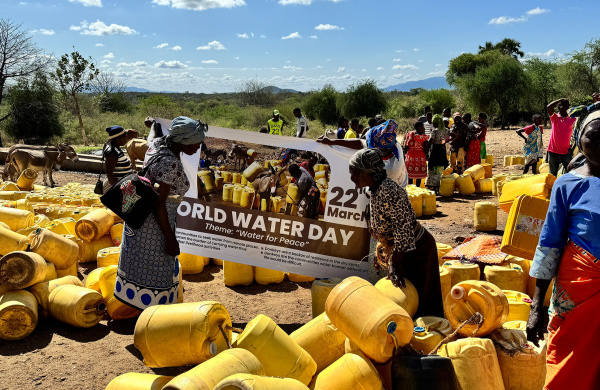
International animal welfare charity The Donkey Sanctuary has this month provided first aid treatments and essential supplies for thousands of donkeys supporting Kenya’s drought-stricken communities. |
Our work in Kenya began in 1994 when we donated some money for donkey treatments to a highly-respected animal welfare group, the Kenya Society for the Protection and Care of Animals (KSPCA). By 2004 both organisations had agreed to a partnership arrangement which saw the Donkey Sanctuary establishing a project office and harness workshop in the KSPCA’s headquarters at Karen near Nairobi and setting up a ‘donkey account’ to pay for the KSPCA’s mobile clinics to treat donkeys. We currently have three mobile teams based at Karen; each is led by a vet and spends about two weeks at at a time on the road, visiting a ‘circuit’ of donkey owning communities. Two education officers carry out separate school visits, and a harness field officer visits areas identified with the vets which have particular harness problems. In future the veterinary, harness and education work will be more closely integrated. We also have a harness workshop at the base at Karen. |
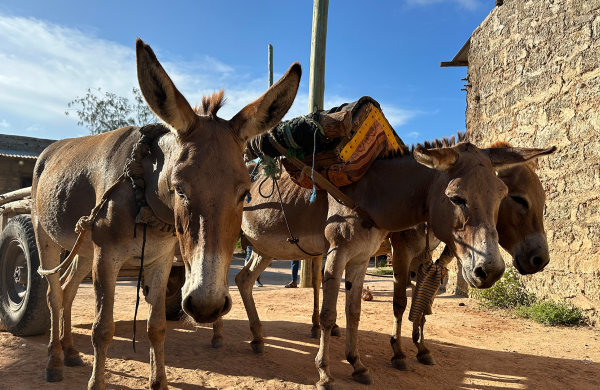
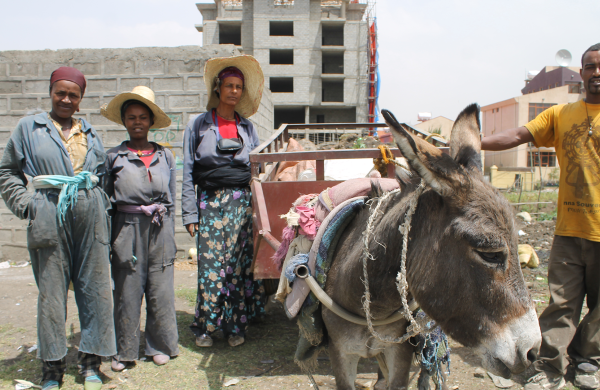
About our workThe donkey cart is a common sight in Kenya, being a mode of transport that can cope with the rough terrain. Donkey power is used to deliver daily essentials including water, firewood and staple foodstuffs such as potatoes and maize, as well as for farm work and general transporting of goods and materials. In most areas there are little or no veterinary services, and most owners can’t afford to pay for treatment anyway. Wounds and sores caused by makeshift harness are common, as are overloaded carts, and the use of whips or sticks to drive the donkeys forward. This is a particular problem in the areas, often around towns, where many of the donkey cart drivers are young men doing what they see as a low-status, dead-end job. On mainland Kenya we are based at Karen near Nairobi, where we have a clinic and harness workshop. But much of our work is done out in the field by our three mobile units, which spend up to two weeks at a time travelling around communities, treating donkeys, advising owners, and giving out good harness or adapting the type already in use. We also have a harness field officer who can give specialist advice and practical help in communities identified by the vet teams as having severe harness problems. Meanwhile our education officers visit primary schools to talk to children about donkey welfare, and spread the message throughout the wider community. We also train local vets, farriers and community animal health workers. |