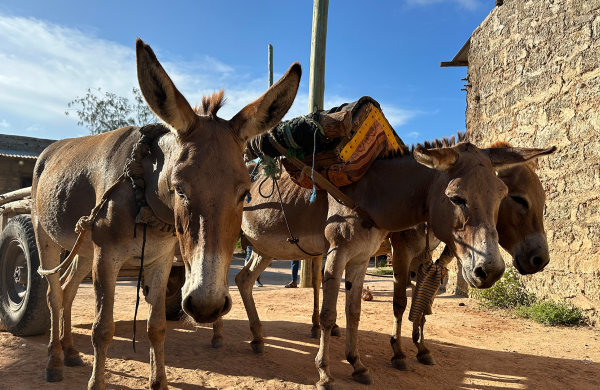
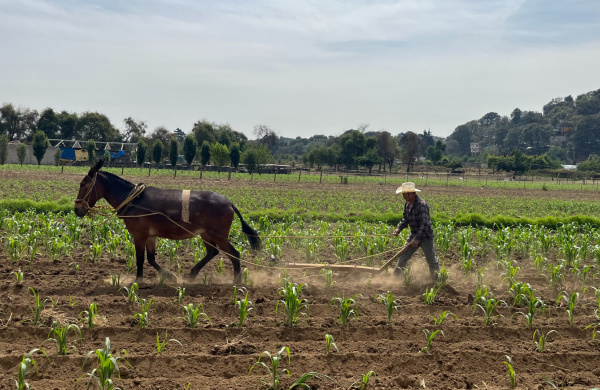
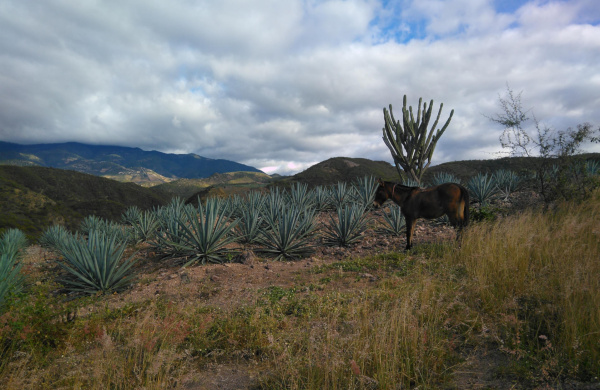
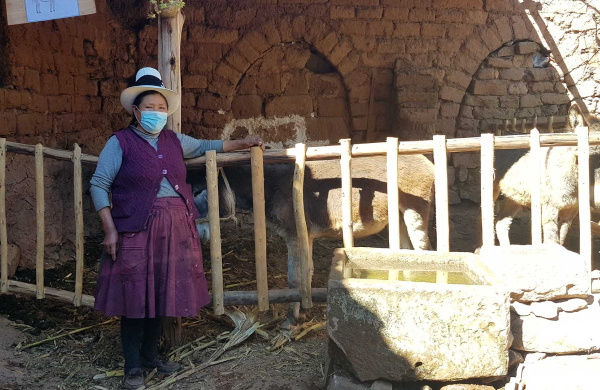
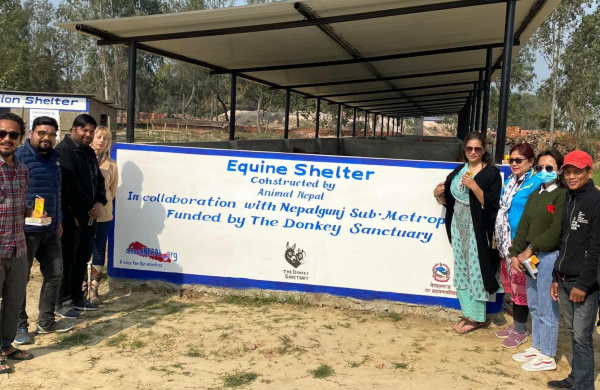
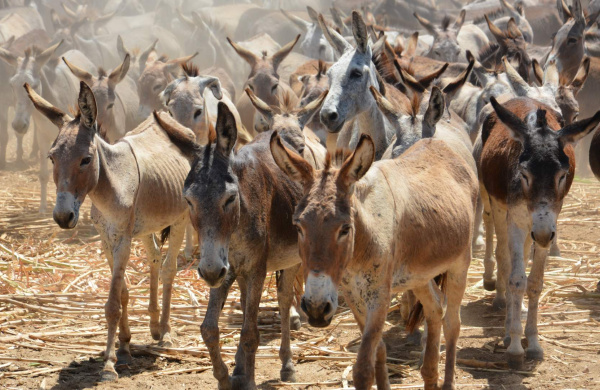
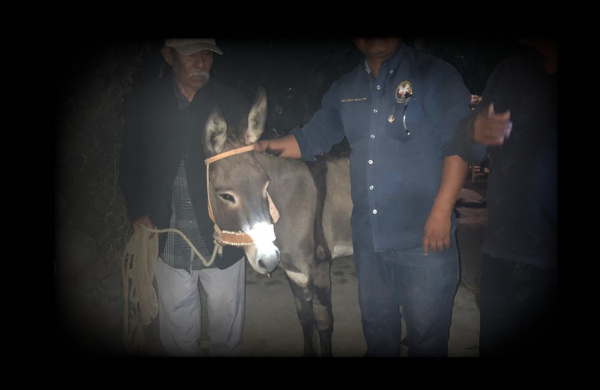
The Donkey Sanctuary supports projects and works with partners in Mexico, Brazil, Peru and the Caribbean islands. A shocking six million donkeys are now killed every year for the skin trade 16 February 2024 The Donkey Sanctuary’s latest report on the skin trade reveals that at least 5.9 million donkeys are now slaughtered every year to meet escalating demand for ejiao, a traditional Chinese medicine, made using their skins. End in sight for brutal donkey skin trade on both sides of the Atlantic 6 December 2023 Proposals to stop the slaughter of donkeys and the export of their skins in Brazil and every country in Africa in early 2024 have moved a step closer thanks to the tireless work of The Donkey Sanctuary and partners on both sides of the Atlantic. Supporting donkeys and vulnerable communities in Mexico 17 October 2023 This International Day for the Eradication of Poverty (17 October), we spoke with José Legarreta from our Latin America and the Caribbean team about the importance of donkeys and mules to rural communities in Mexico. Mexico sanctuary teams up with the nature conservancy 10 August 2022 The Donkey Sanctuary recently held a workshop with The Nature Conservancy in Canoas, northern Mexico, to explore ways of improving the welfare of donkeys and mules supporting an impoverished community working in forestry conservation. Supporting Peru's donkeys 15 June 2022 Donkeys and their owners in the remote Maras district in Peru have received vital support and training thanks to a collaborative project with Innovar y Compartir (Innovate and Share), a local non-profit organisation. New shelters bring respite to Nepal's brick kiln equines 20 April 2022 Your generous support has helped to fund two new shelters in a Nepalese city – providing vital protection and respite for some of the country's hardest working donkeys and mules. 'Stay of execution' for Brazil's donkeys 9 February 2022 Brazil has reinstated a countrywide ban on the slaughter of donkeys for export to China. Researching working animal welfare in Mexico 26 January 2022 Research into the welfare of working equids in three Mexican states has underpinned their value to their communities and the importance of good donkey welfare across the globe. Release for 'jailed' donkey, Mexico 9 September 2019 The power of social media has enabled The Donkey Sanctuary to help save a Mexican donkey in ‘jail’ without food and water. Emergency food delivered to Antigua donkeys in drought 5 September 2019 A sanctuary in Antigua was hit with crisis when a lengthy drought destroyed the fodder grazed on by its donkeys. Thankfully, The Donkey Sanctuary has provided a shipment of food for the donkeys in need. Pagination Current page 1 Page 2 Page 3 Next page Next › Last page Last »